Michaël Devid.
I ship hardware.
Ten years turning electronics prototypes into products that ship — from tinkering with scavenged PC parts to assembly lines in Shenzhen sending sensors to more than thirty countries.
Ten years. Three exits. One habit. Scroll.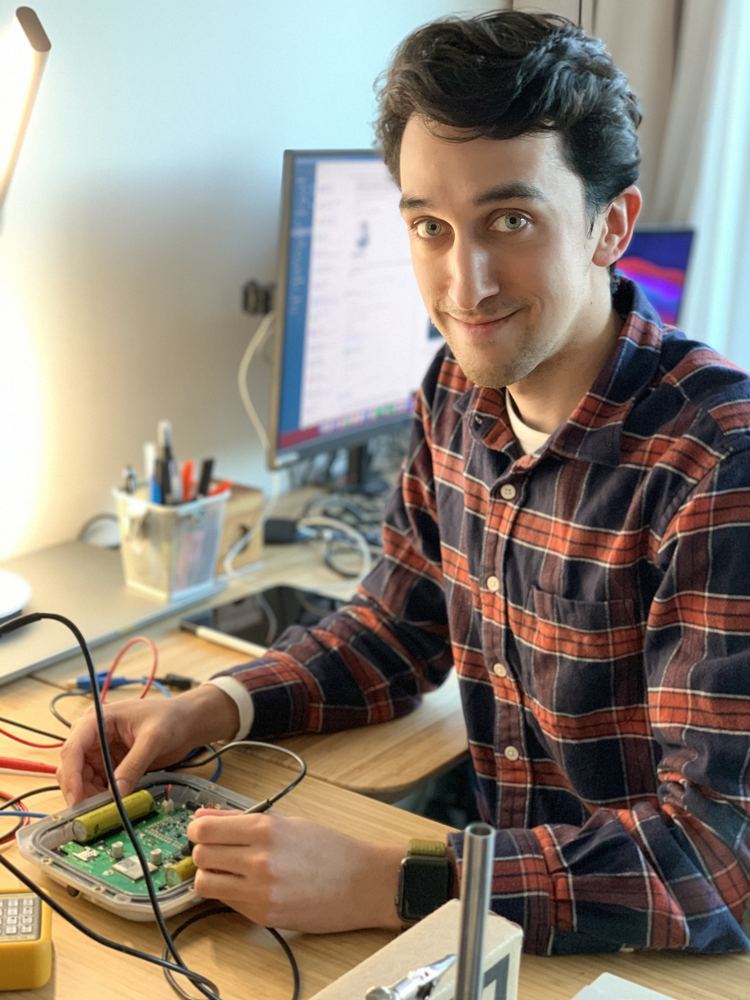
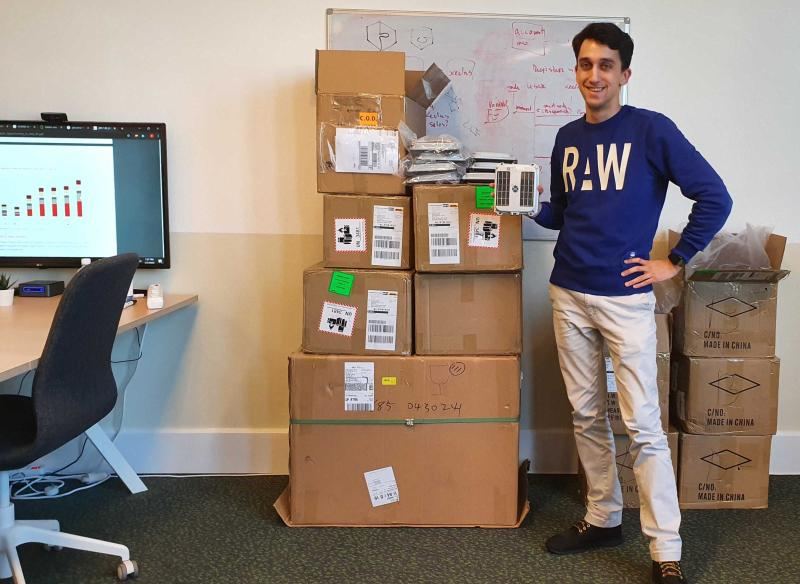
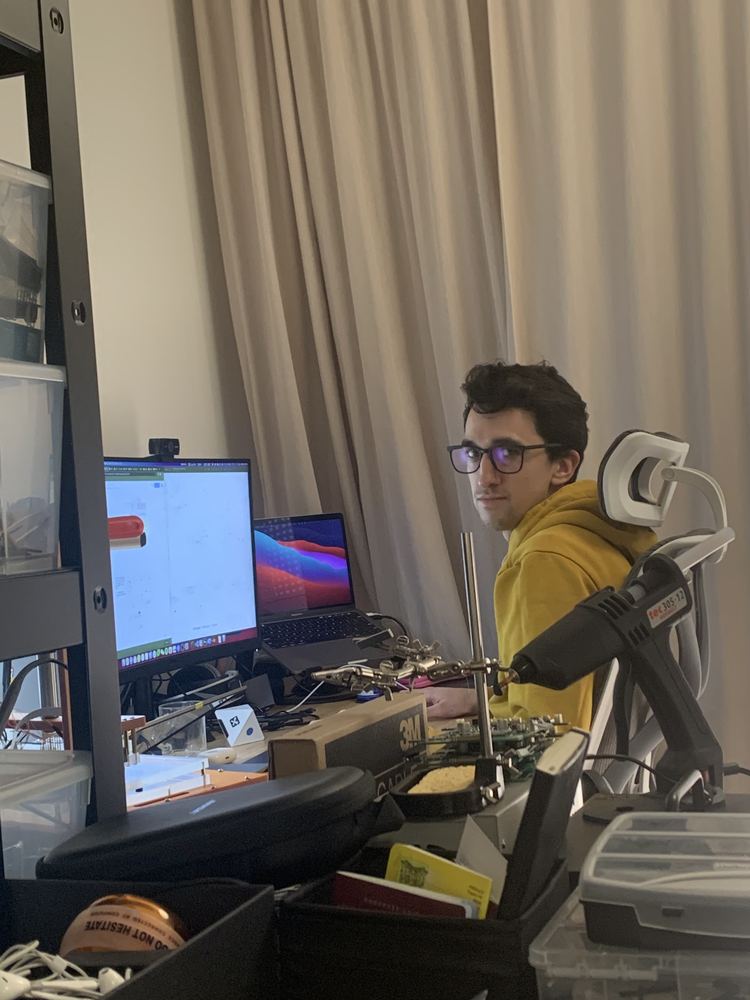
Most founders pitch a deck. I can show you the boxes leaving the factory.
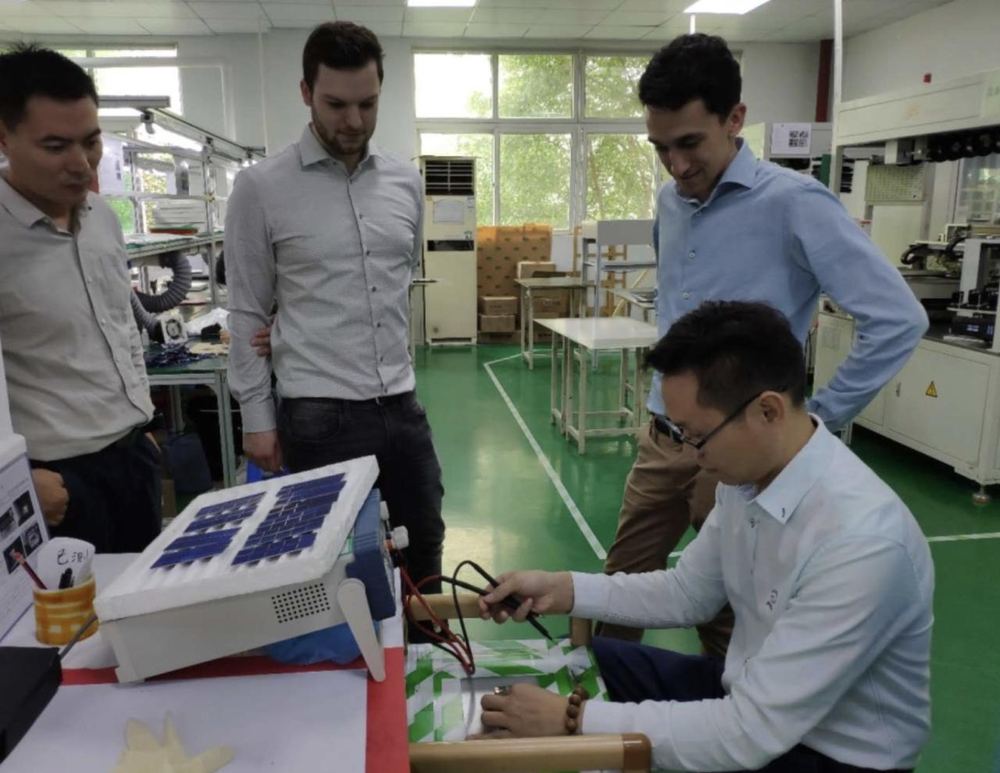
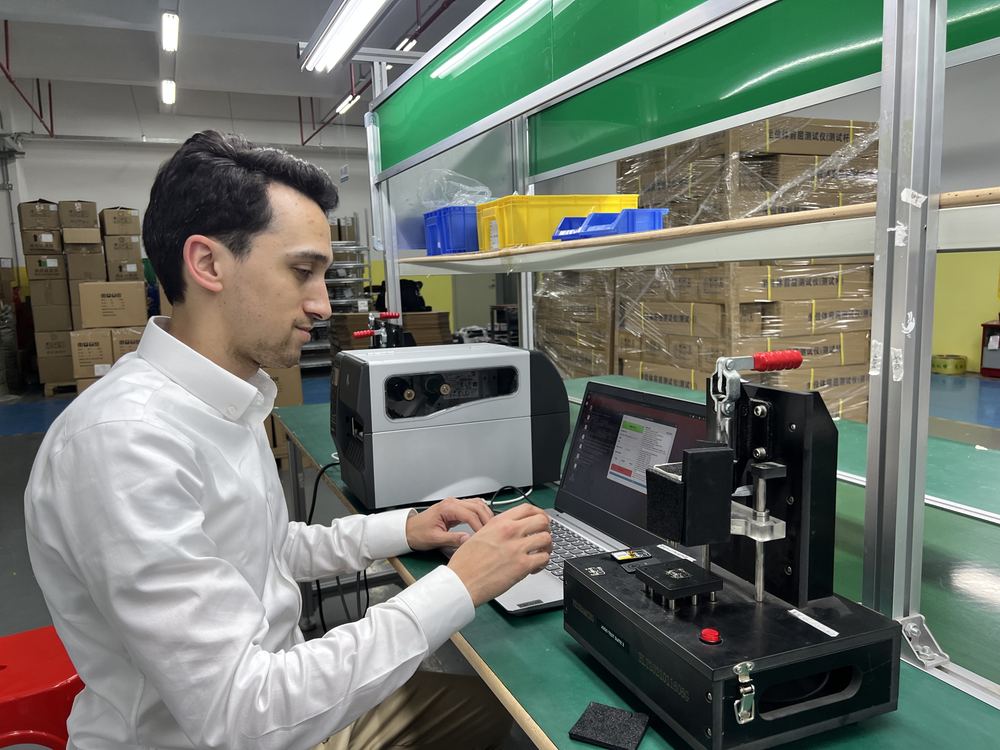
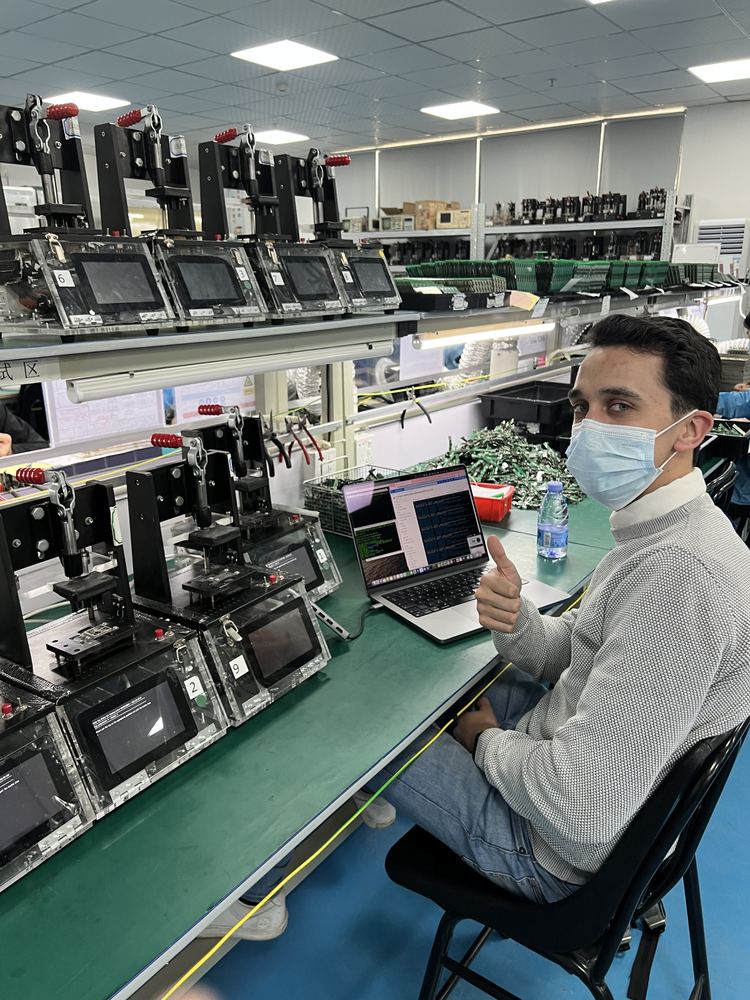
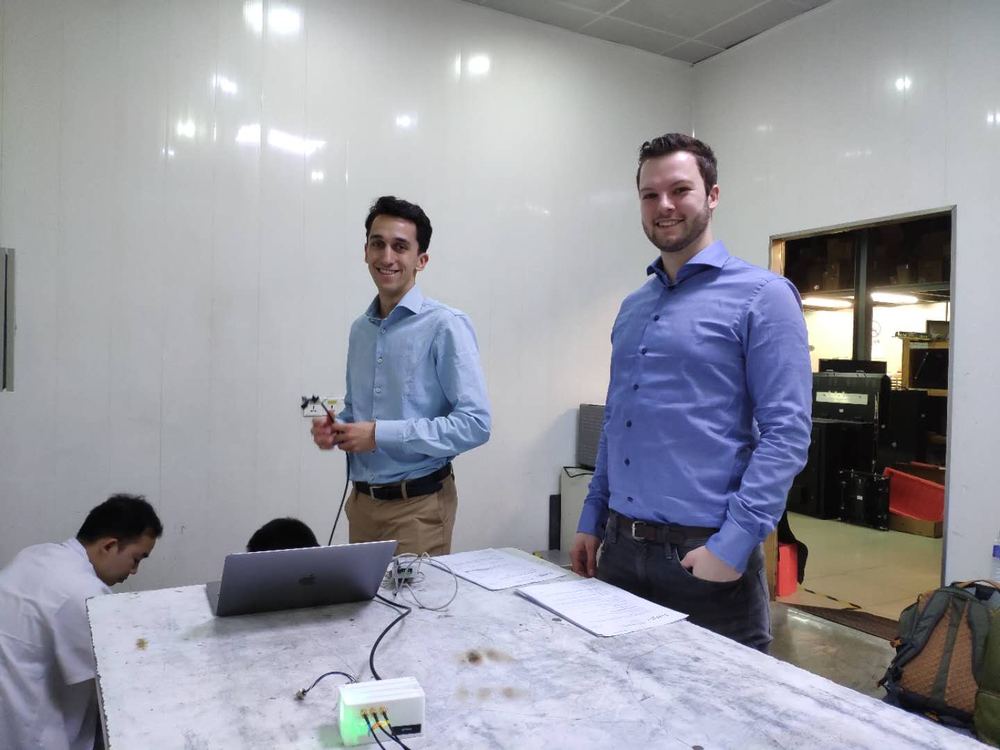
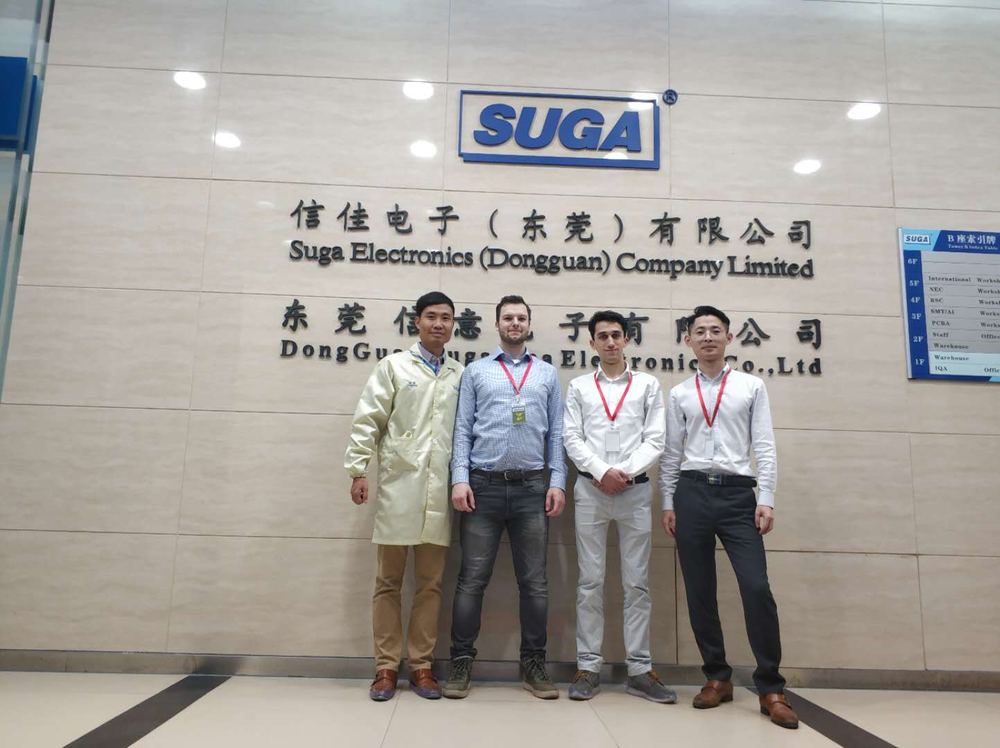
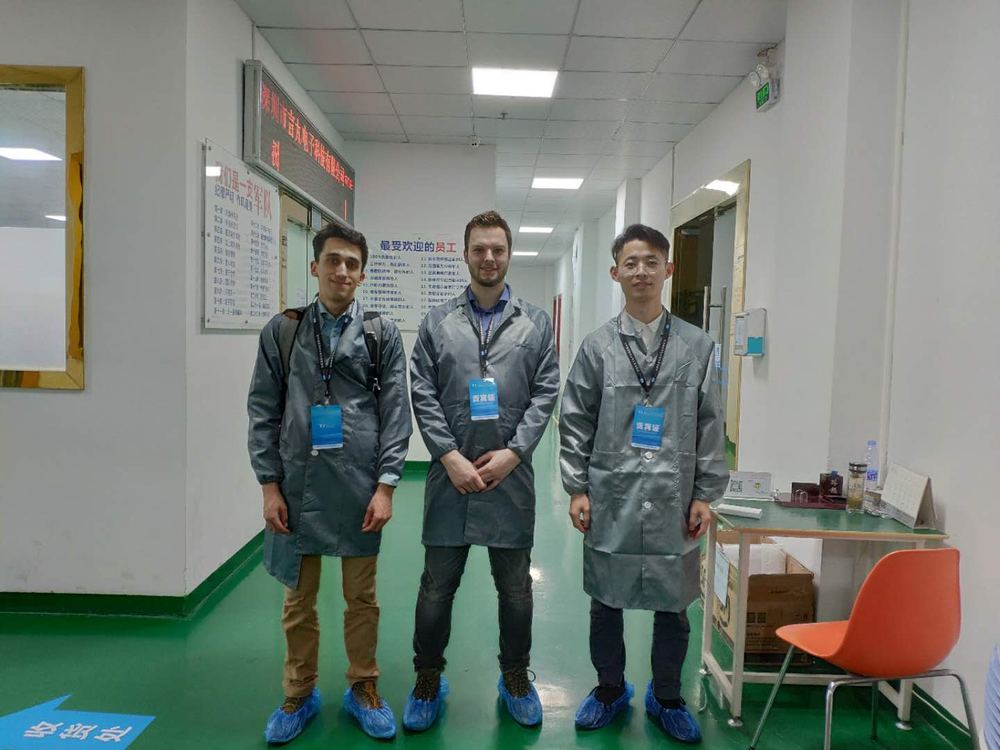
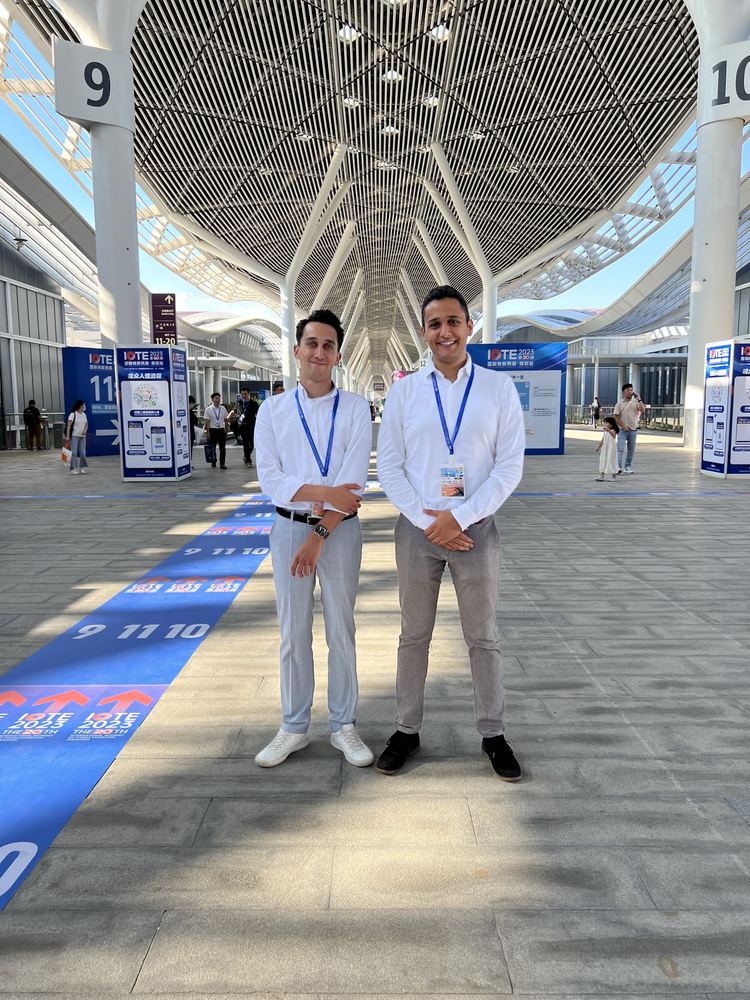
I don't design hardware from a desk. I fly to the factory, hold the first sample, fix what's wrong on the line, and watch the units ship. What follows is ten years of that, told in the photos. Keep scrolling; it ends on the factory floor in Shenzhen.
Embedded EngineerInspiro
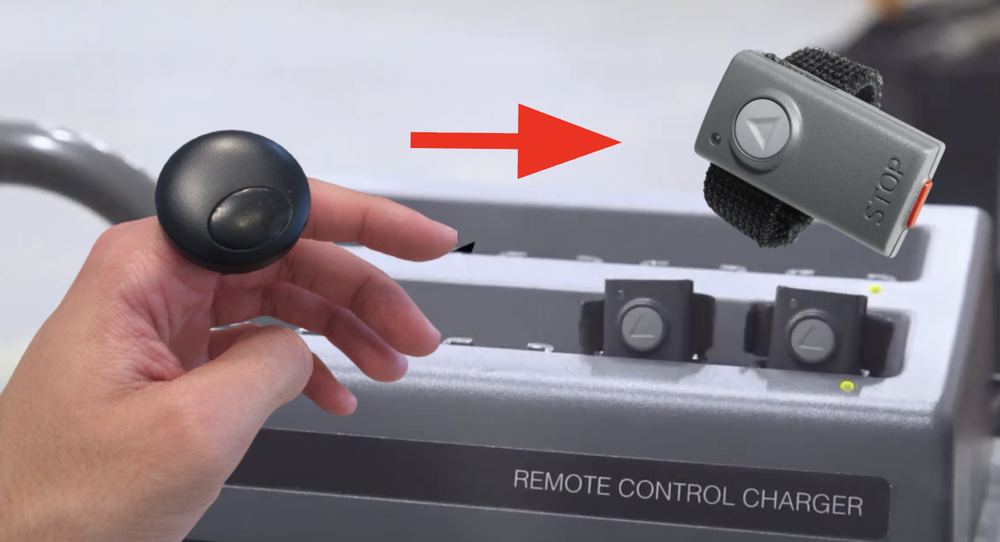
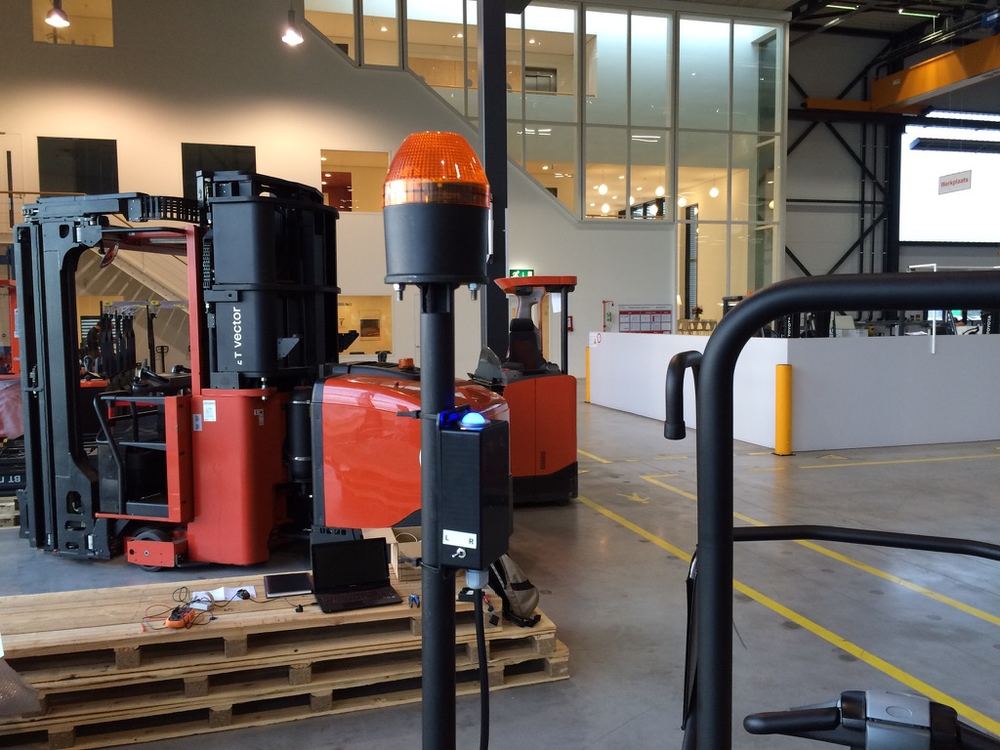
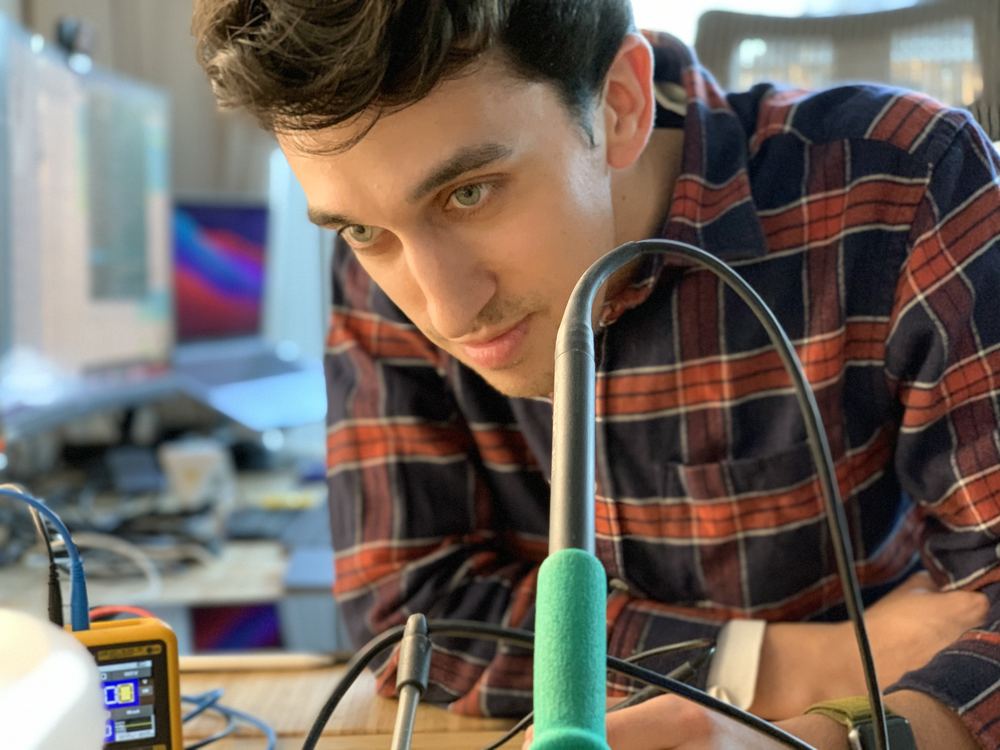
Toyota Material Handling needed an innovative remote control for their order-picker trucks to stay ahead of the competition. I rapid-prototyped one solution after another until we landed on the right form factor: a tiny, rugged industrial controller you could trust around heavy machinery.
Bluetooth 5, NFC, wireless charging, and safety requirements that had to hold up around moving equipment. First lesson of the decade, and it never changed: an idea is worth nothing until something works in your hand.
Lead Embedded EngineerShake-On
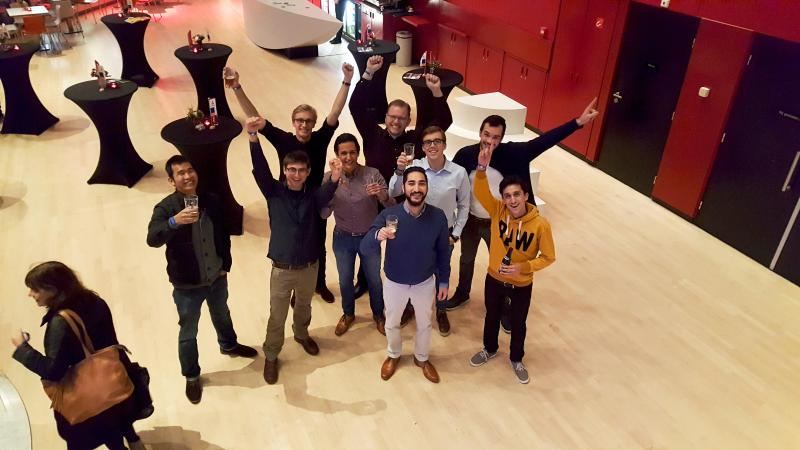
My first wearable: a small BLE band that noticed when you shook someone's hand and quietly swapped contact details with their band. The hard part was the gesture detection, and this was before the AI tooling existed. I prototyped the model in MATLAB, converted it to rough C, and got it running on a tiny nRF52832.
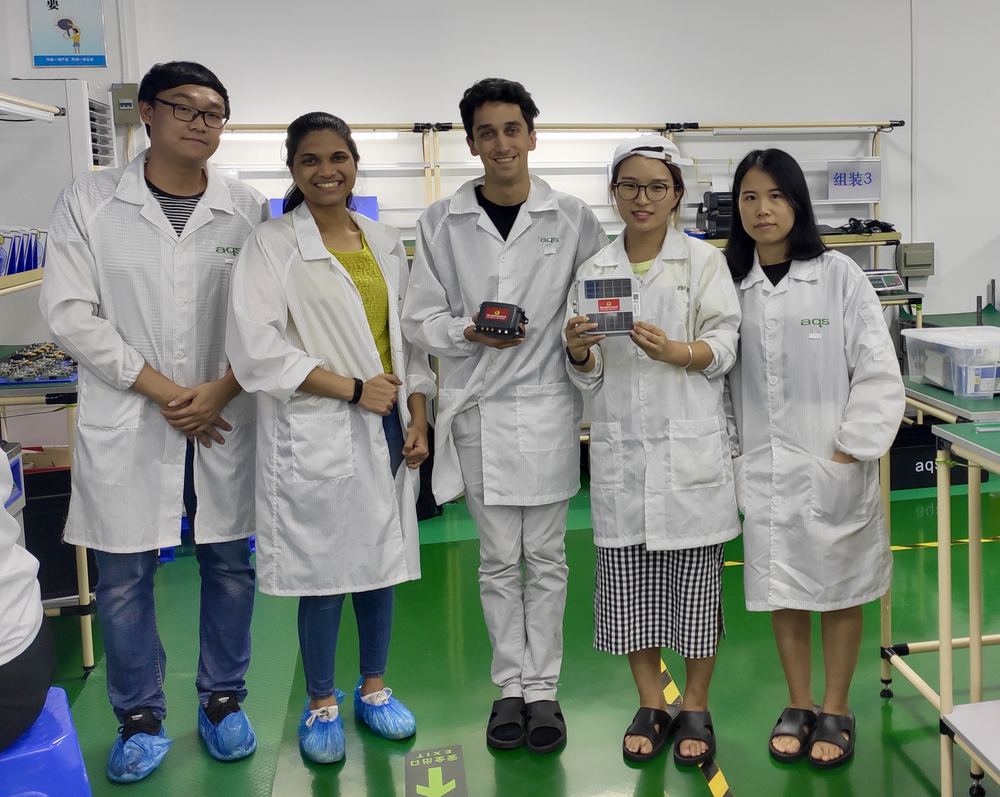
We shipped 9,000 units, and I learned supply chain the hard way through a lot of bad LiPo batteries. It was also my first trip to Shenzhen — the beginning of a decade of going to where things actually get made.
Co-founder / CTOXeelas
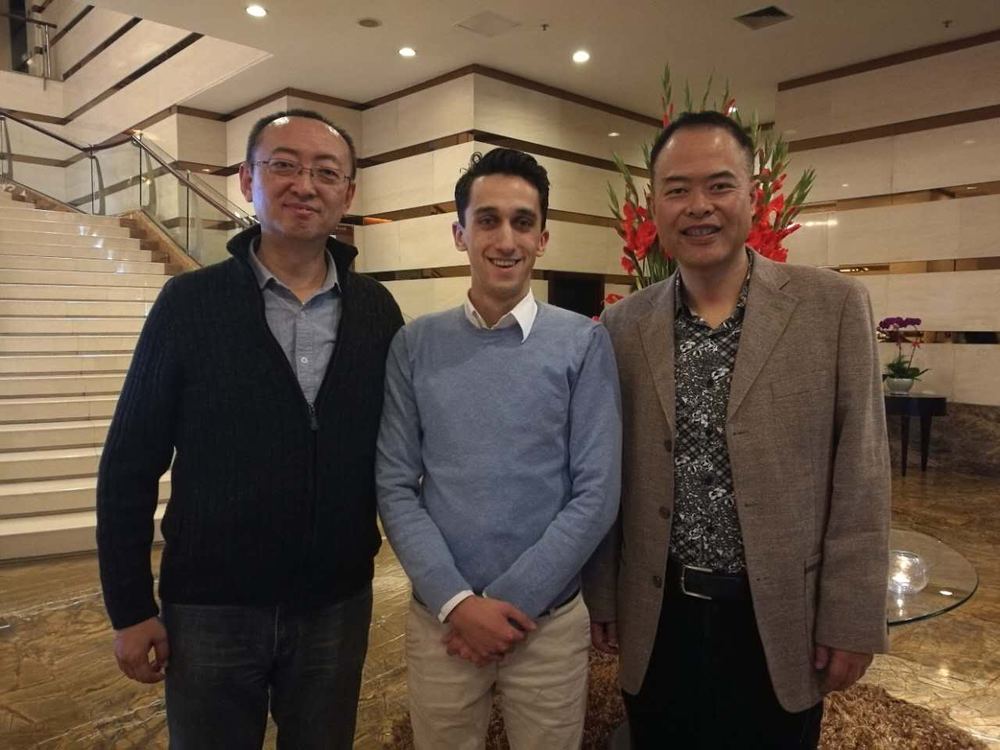
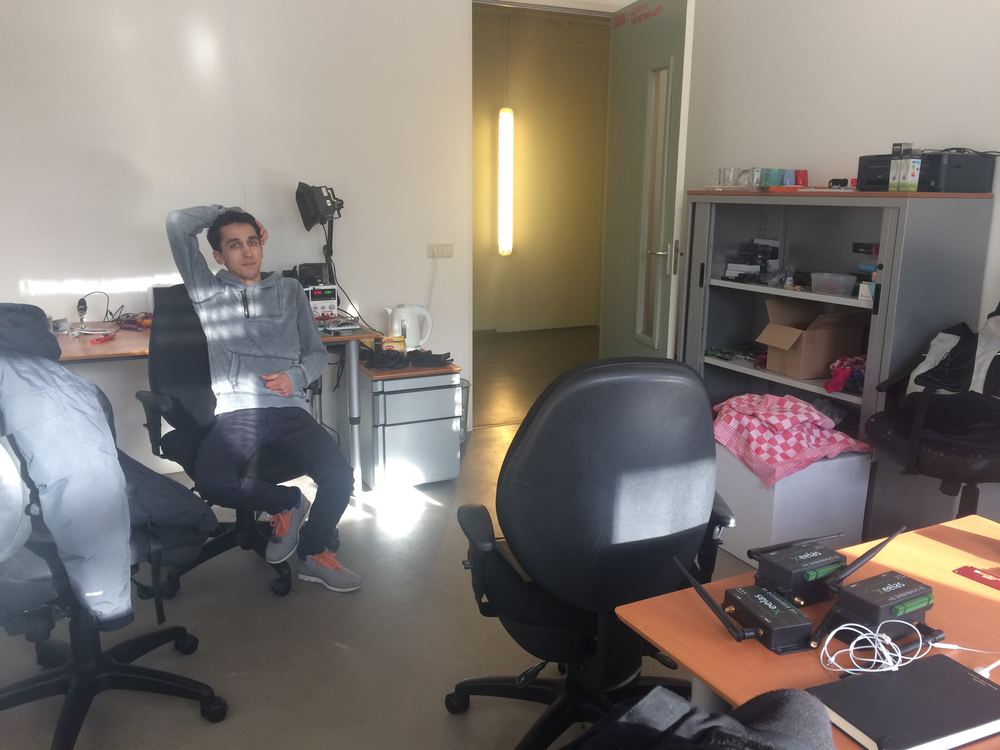
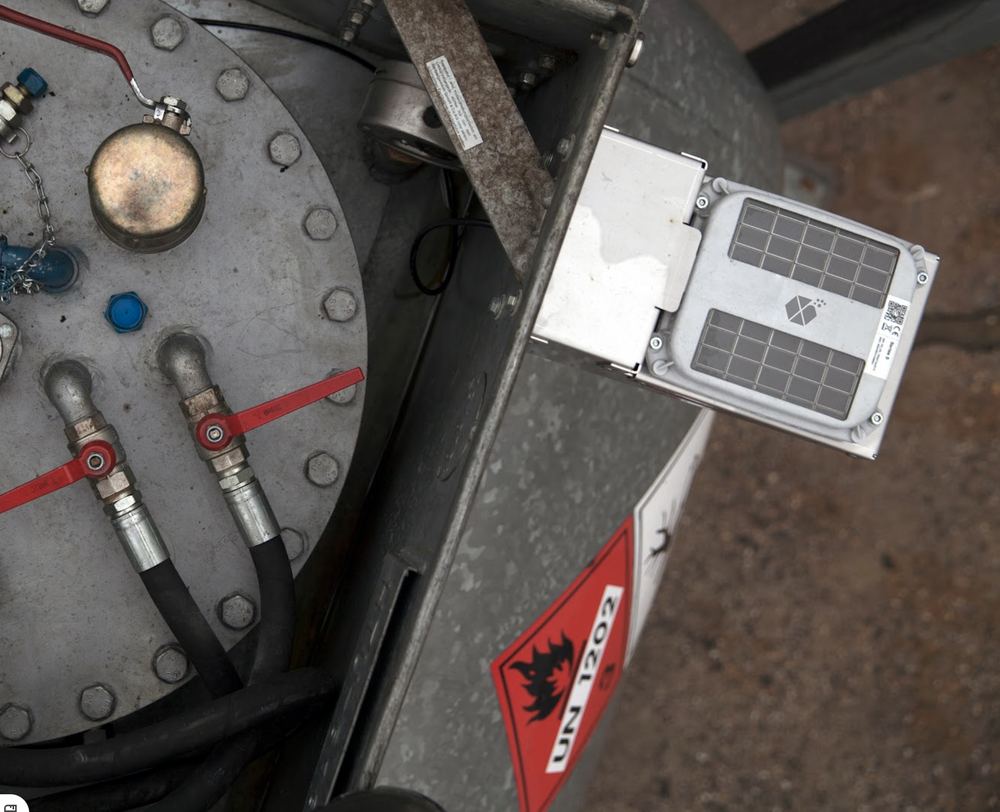
I co-founded Xeelas with Dick Klaassen to bring IoT to heavy industry. We monitored diesel generators for Bredenoord and built solar-powered fuel-tank monitoring that ran with no power source of its own. The thing nobody else could do: with e-peas' first energy-harvesting chip, we made an ultra-low-power device that generated enough power to drive hungry 24V industrial sensors.
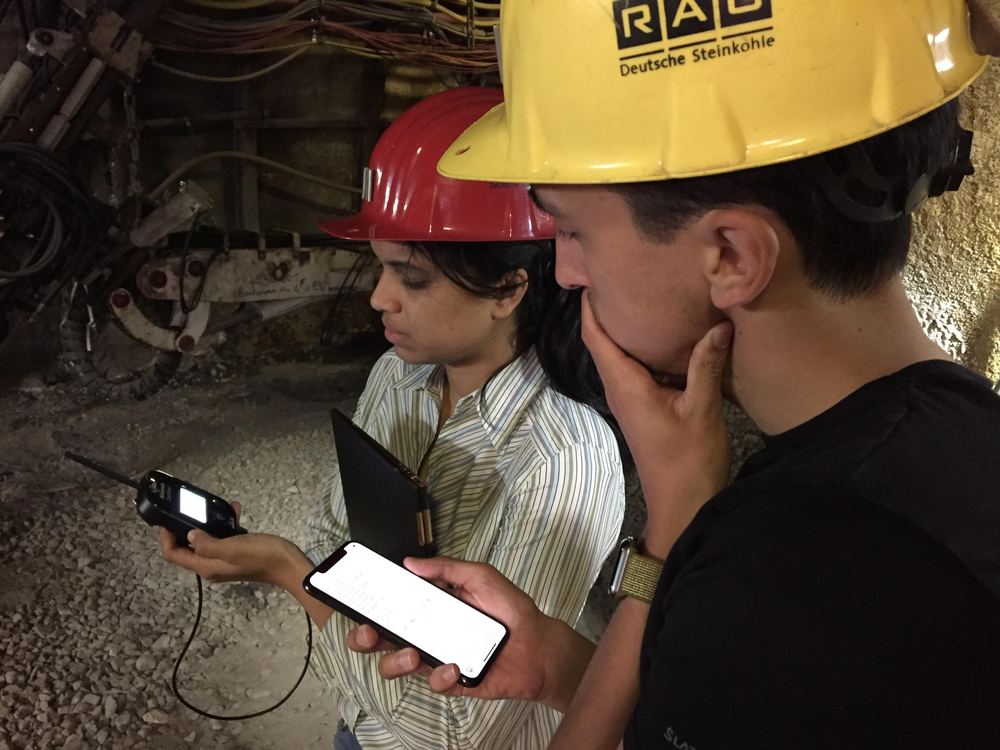
LoRa down German mines, tank containers sitting on ships for weeks, units in the field across Europe. I went back to Shenzhen in 2018 hunting for better batteries and switched us to LTO cells that charge well below freezing. I eventually sold my shares and moved on.
Hardware Team LeadJogo → 433
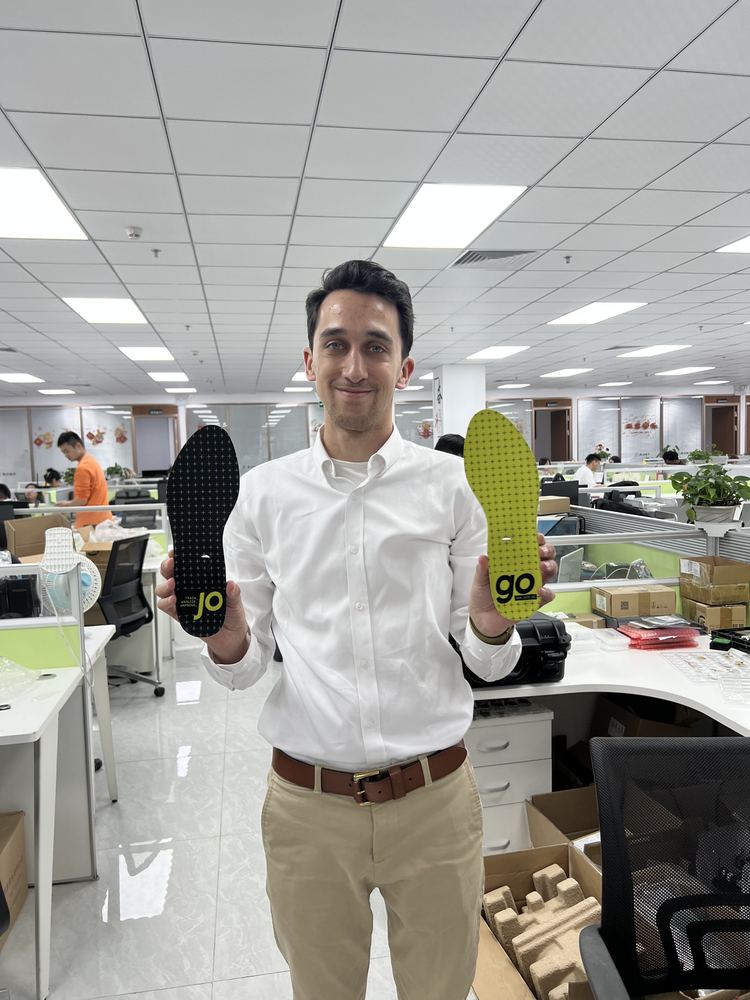
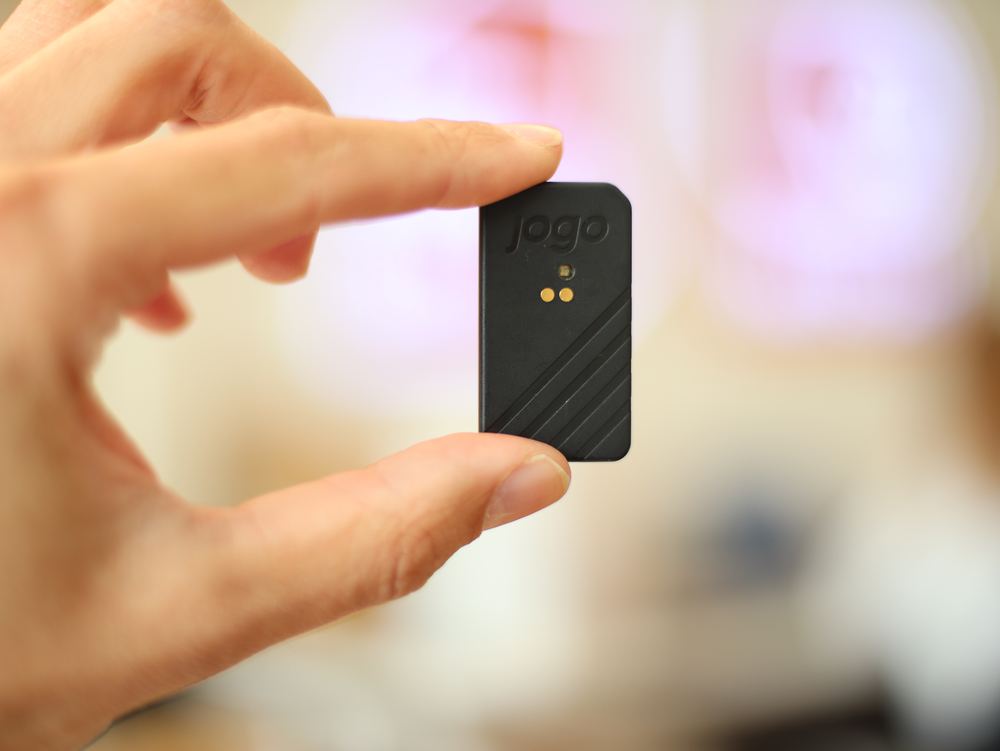
I led hardware for an ultra-low-power sensor made to live inside a football shoe, small enough to disappear and tough enough to survive ninety minutes of getting kicked. Running IMU sensor fusion on a tiny chip under those G-forces was the Shake-On problem all over again, and the experience paid off.
A different shape of hardware: soft goods, insole suppliers, sensors and PCBs laminated into something you stand on all day. The work was good enough that 433 acquired the company and kept me on to run the team.
CTO / Head of TechnologyViloc → Allsetra
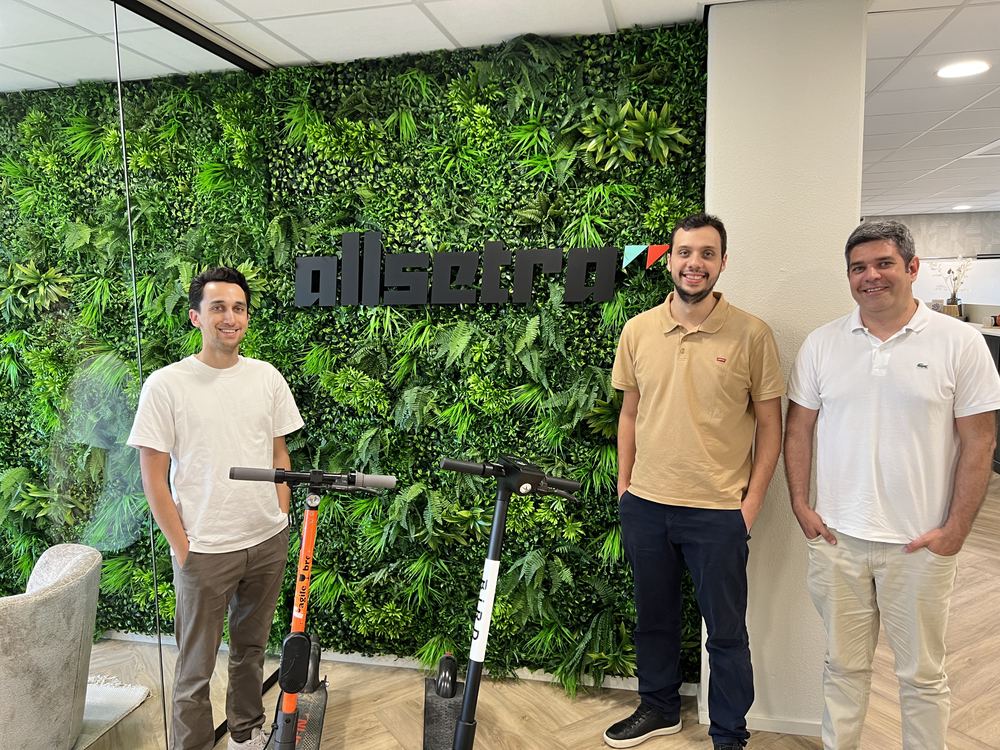
I was asked to come in as CTO of Viloc, a Belgian startup, to create order and get their anti-theft tracker finished for mass production. I brought in Koos Habte, who I'd later start Insyght with. We got the ultra-small, ultra-low-power Viloc Tag onto the line, and it now sells in volume. Allsetra, then the largest distributor of the tag, acquired the company.
The part I love: a 97% recovery rate, and the reaction of owners who get their stolen gear back. That's the kind of IoT that earns its keep — you don't just measure the problem, you actually solve it.
Co-founder / HardwarePadelPlay
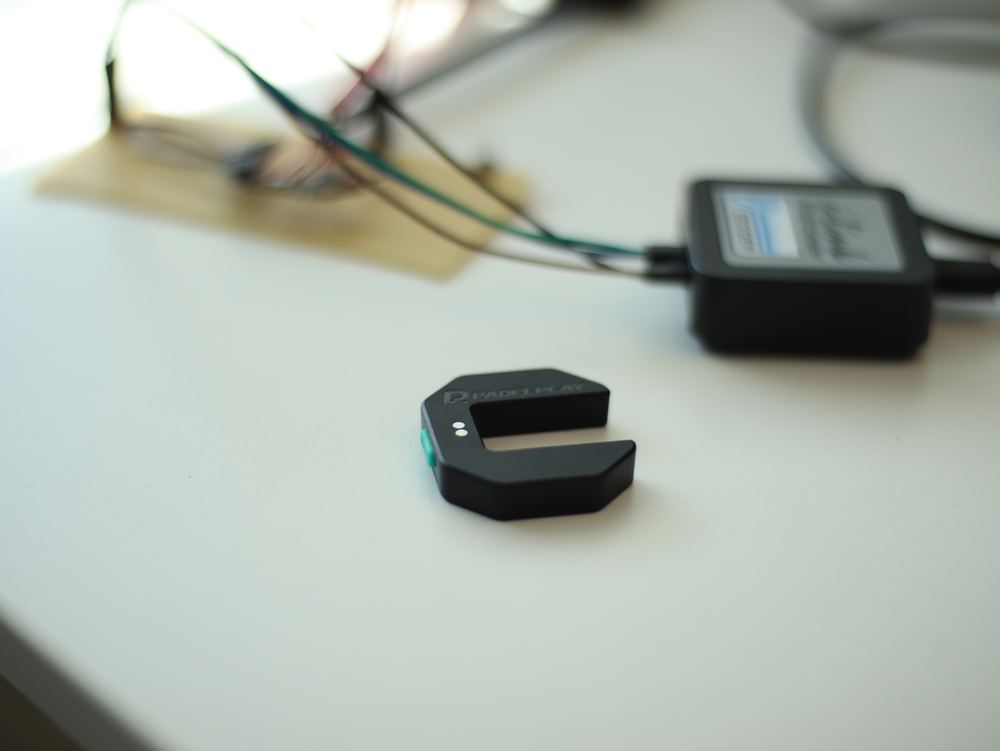
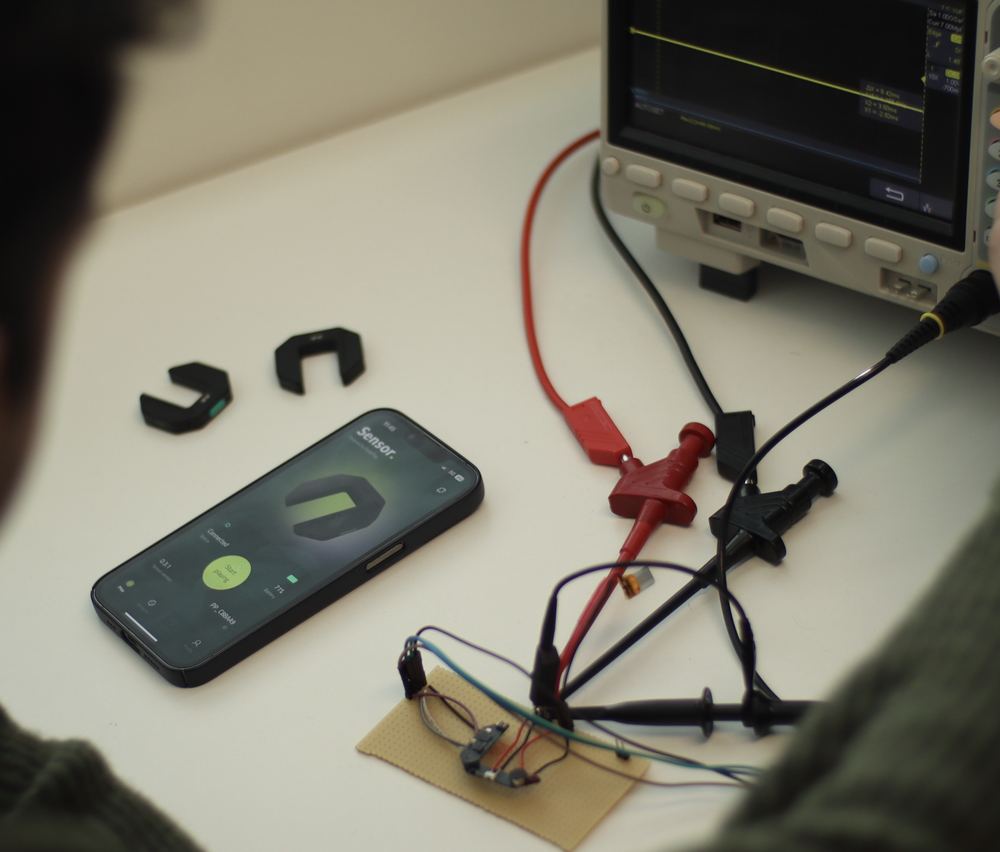
After the 433 acquisition, David and Jerry wanted to start something new, and we landed on PadelPlay: a sport on the rise with no wearable yet. Everything I'd learned about wearables fit perfectly. This time we stream the IMU data live over Bluetooth instead of processing it on the device, so we can run much heavier models in the cloud.
Fitting it all into the enclosure is why the sensor has its odd shape. I'm proudest of how stable and robust the streaming holds up under real play. Today it has recorded over a million shots across more than thirty countries, and was named Start-Up of the Year at the Padel World Summit 2025.
FounderInsyght
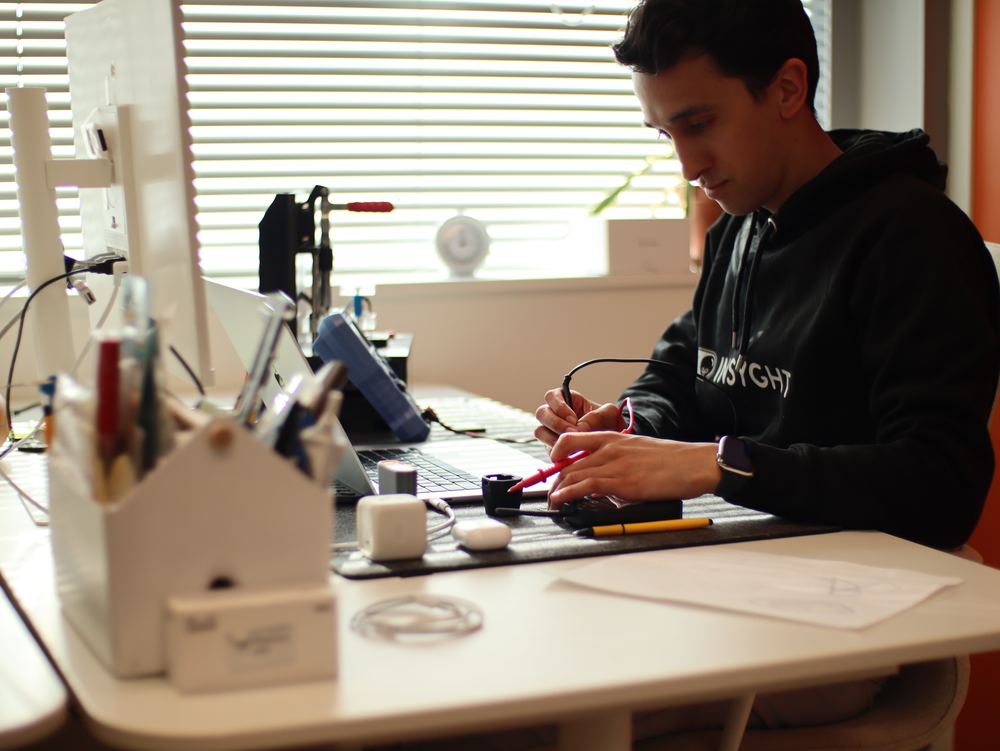
I started Insyght for a simple reason: I can't stop building hardware products, and this is the vehicle that makes that possible. I also wanted to build a place with good people and a culture I set myself.
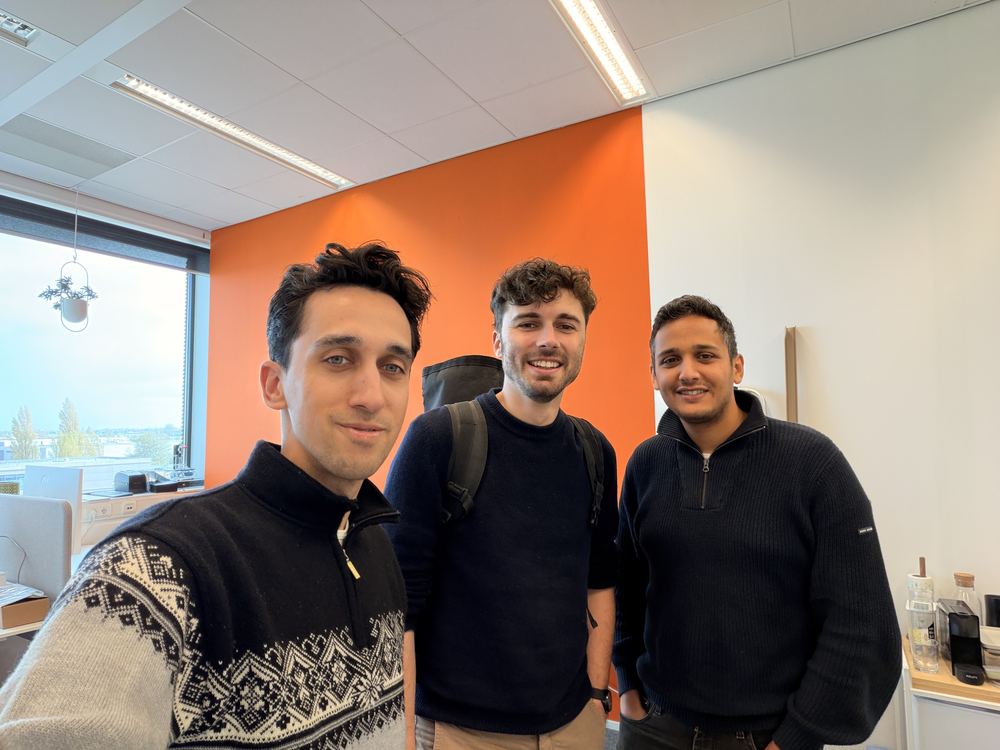
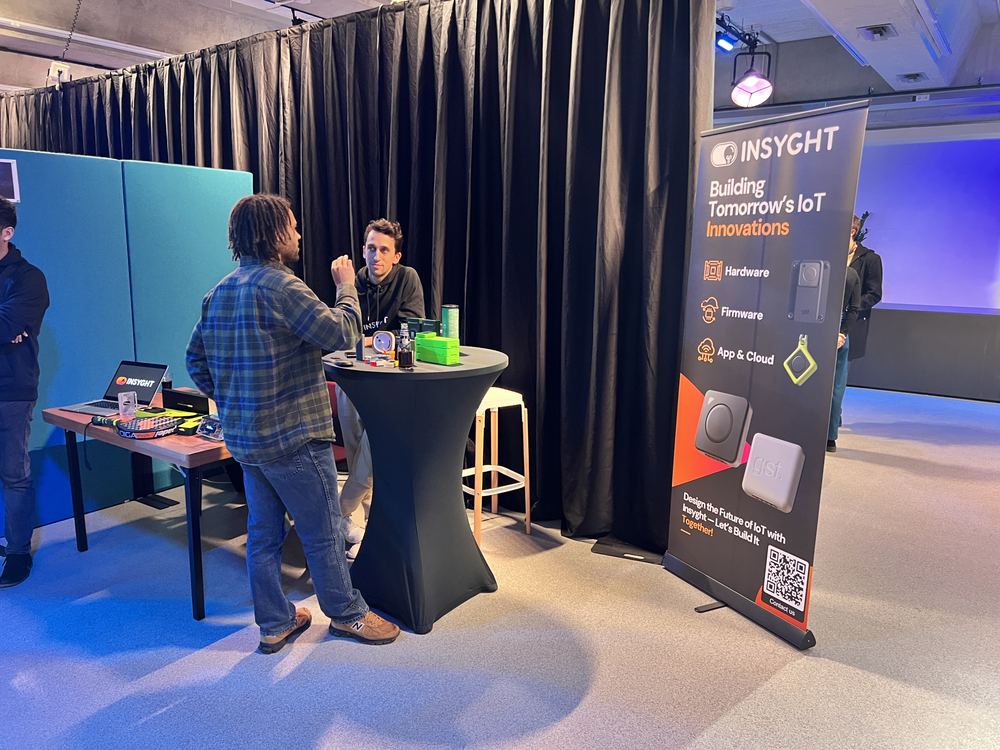
Most connected-hardware projects fall apart because the work is split across four vendors and nobody owns the result, so we do all of it under one roof: industrial design, electronics, firmware, app, cloud, and we stay with you to the factory floor. We're eight people now, building for clients in tracking, wearables and industrial IoT, and shipping our own products too.
Alongside all of it, Devid Creations has been the consulting thread since 2016 — strategy, scale-up and mass-production advice for hardware teams.
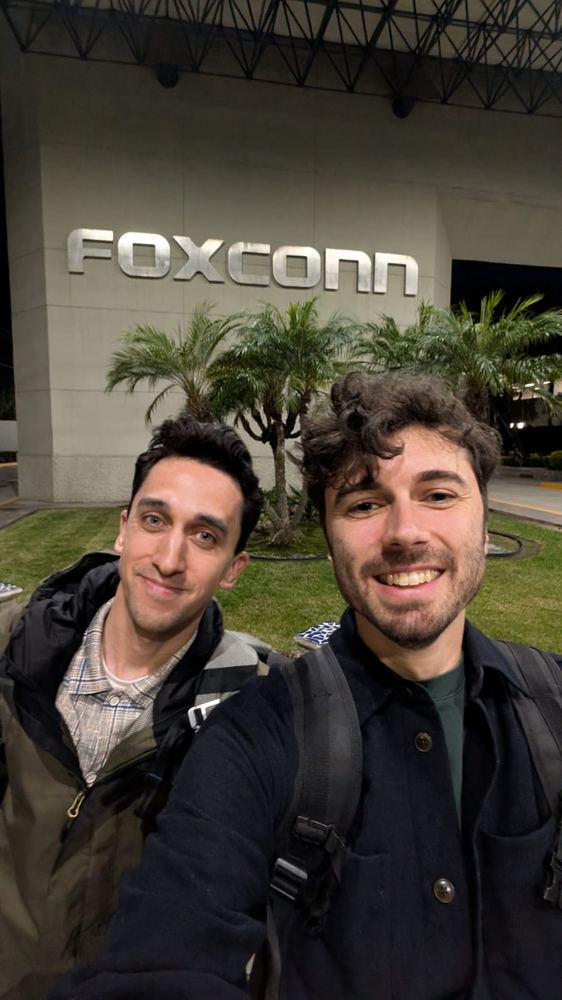
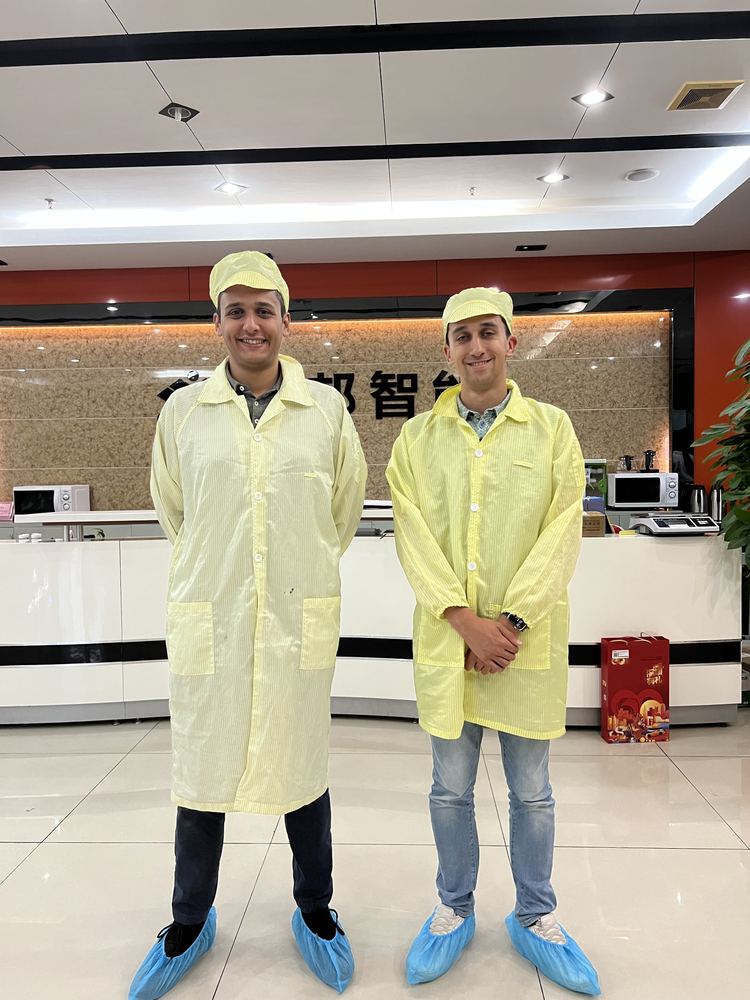
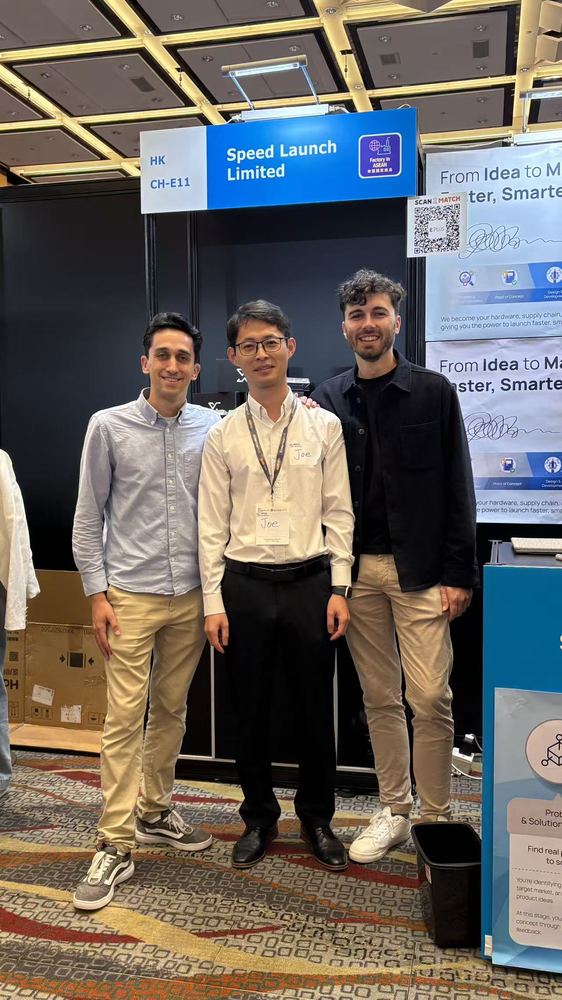
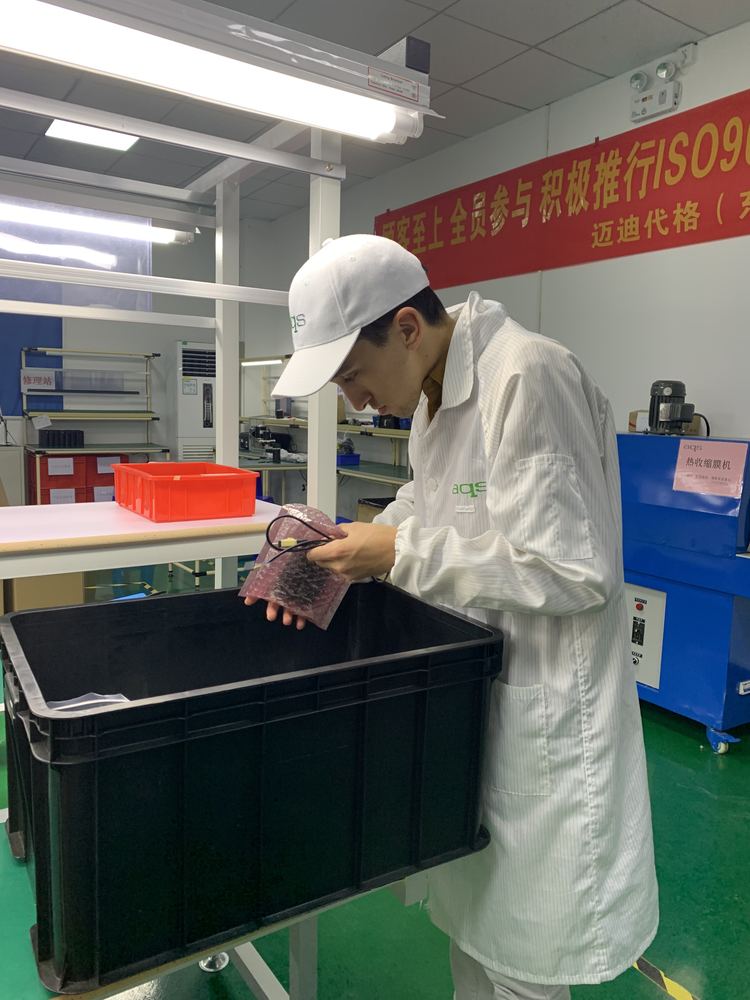
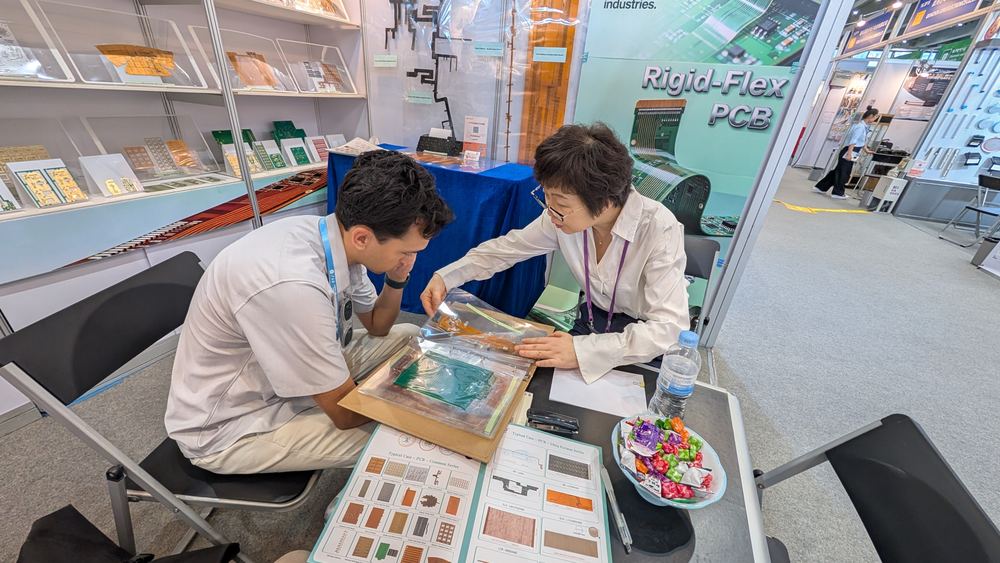
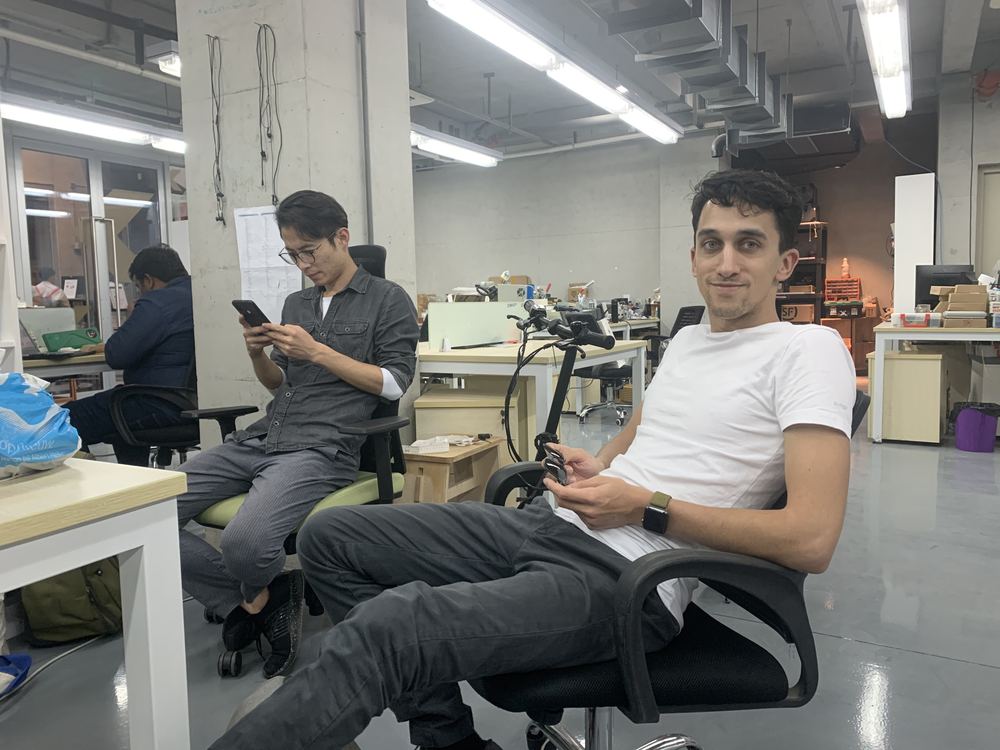
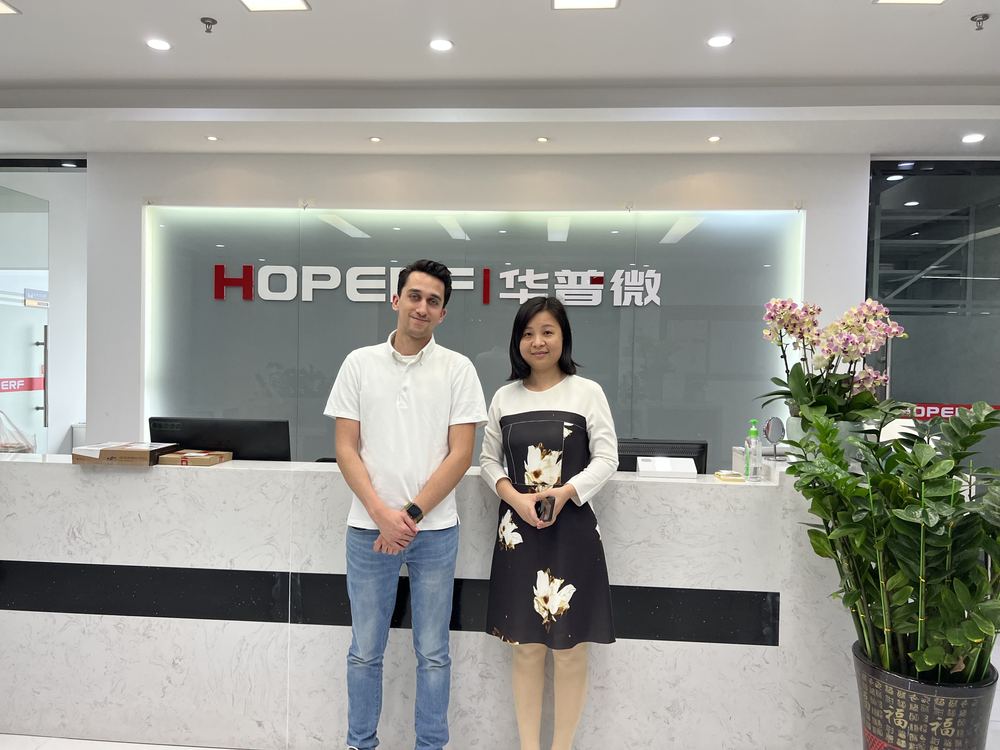
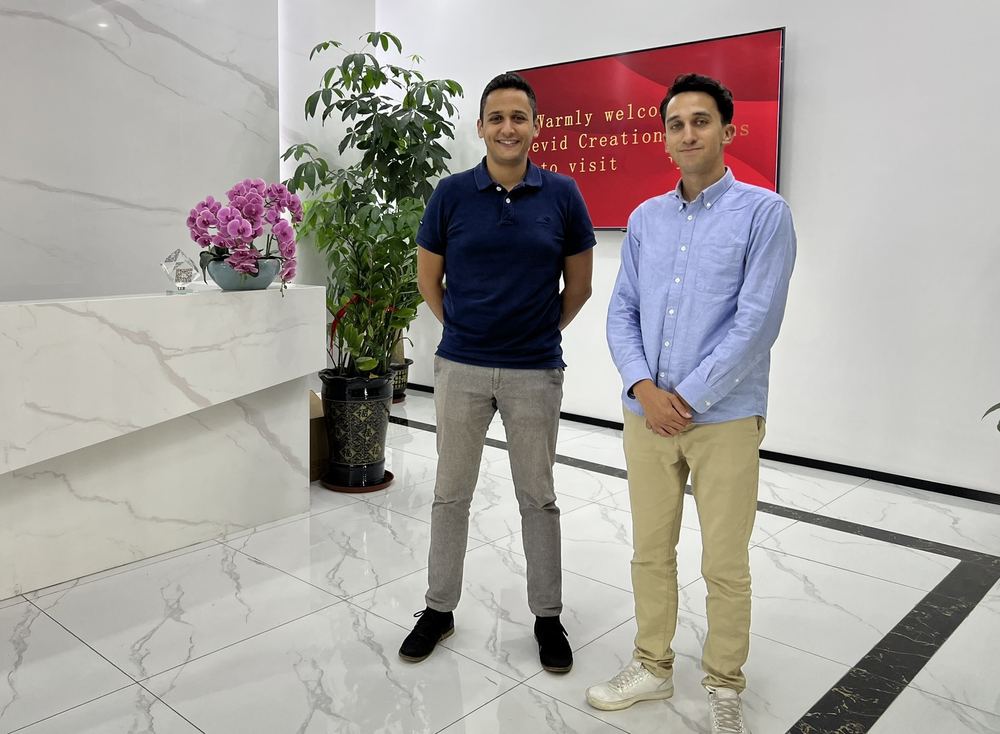
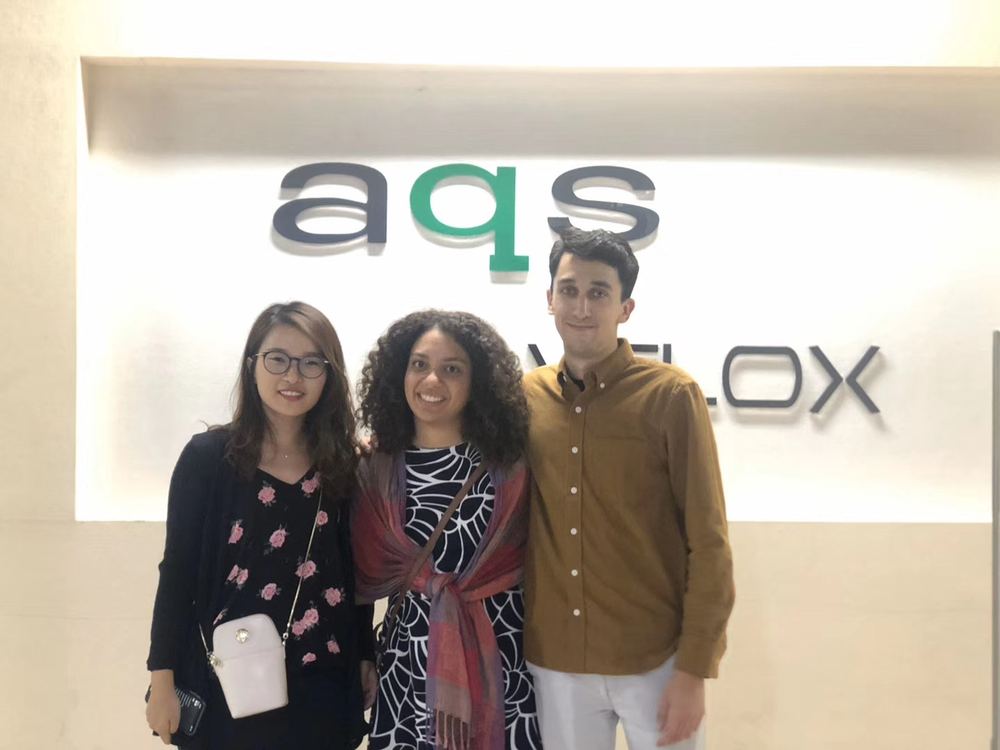
For ten years, the same proof: I show up where things get made.
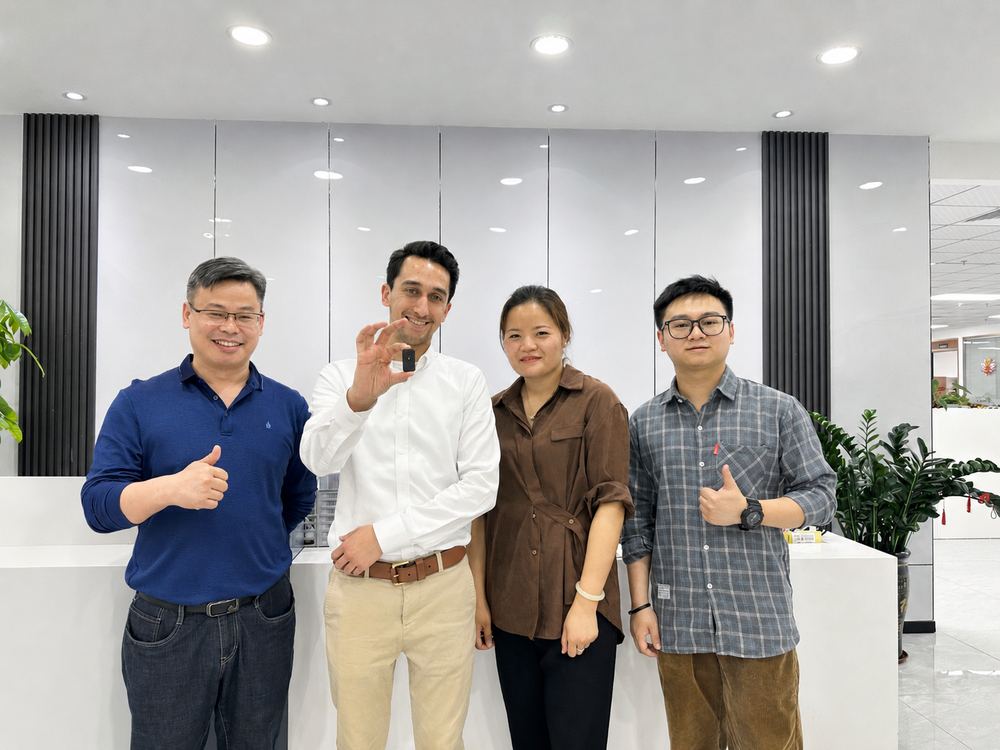
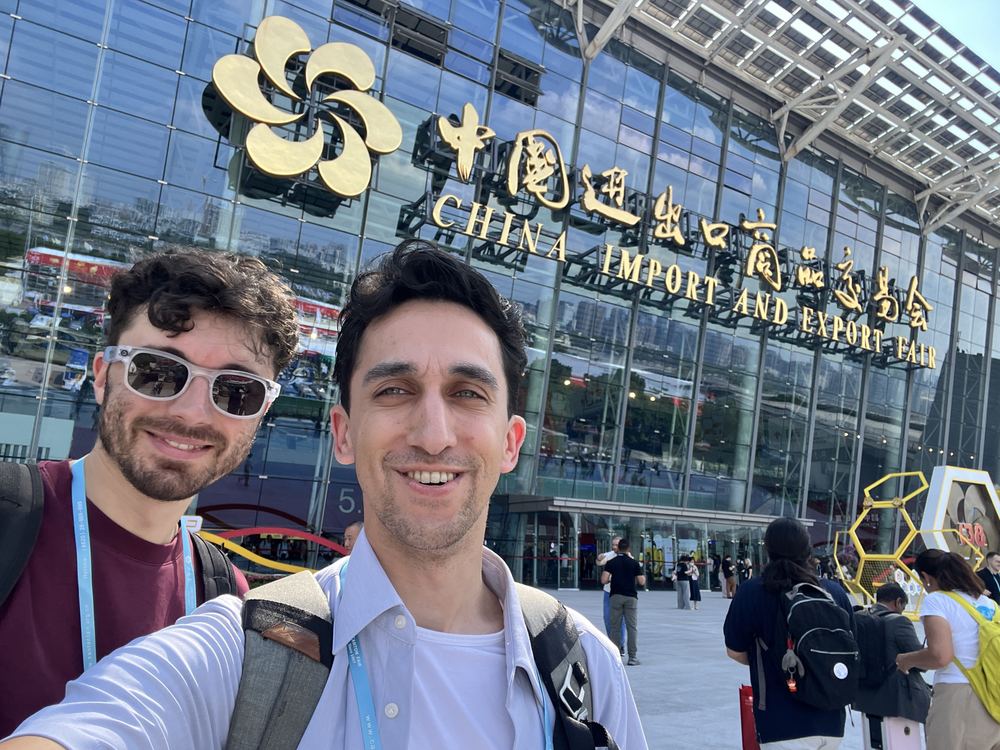
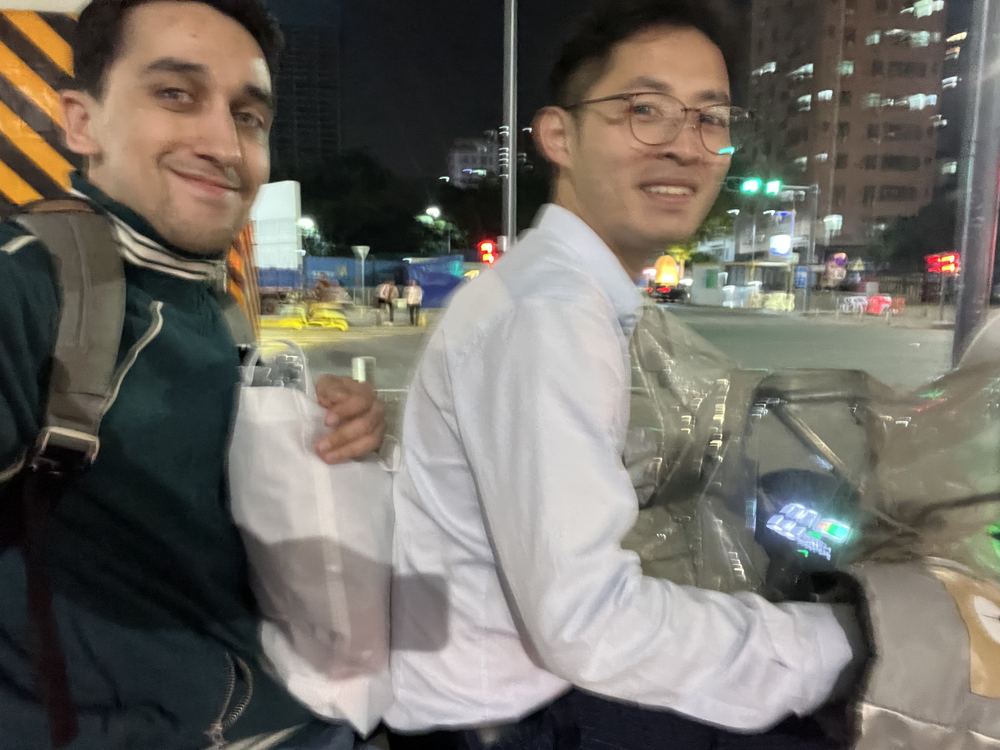
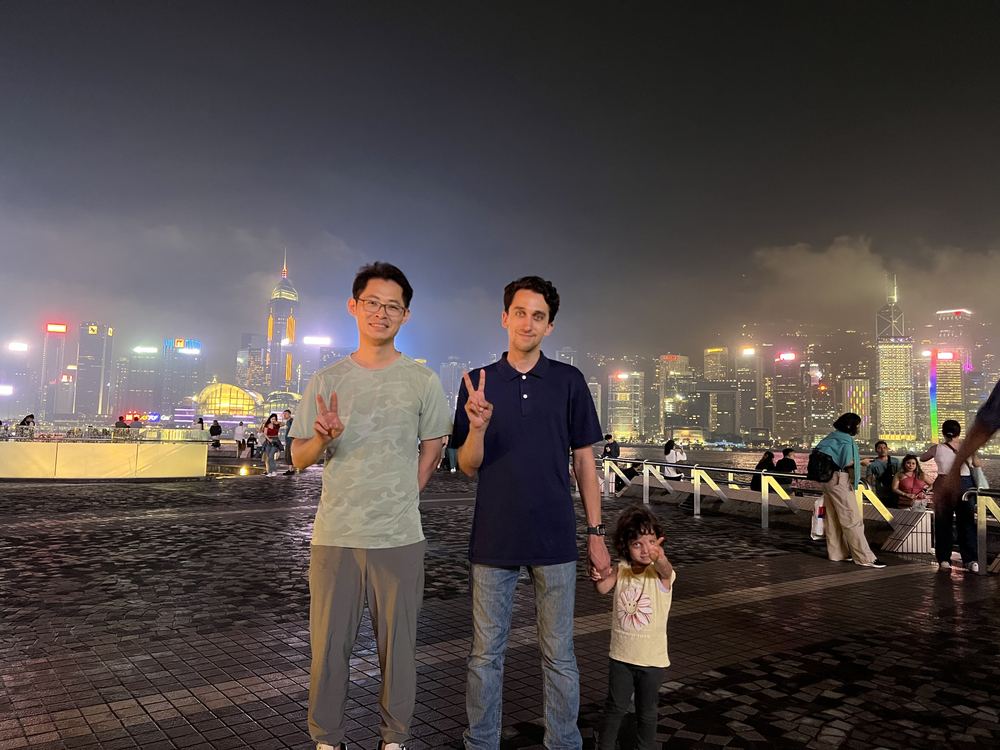
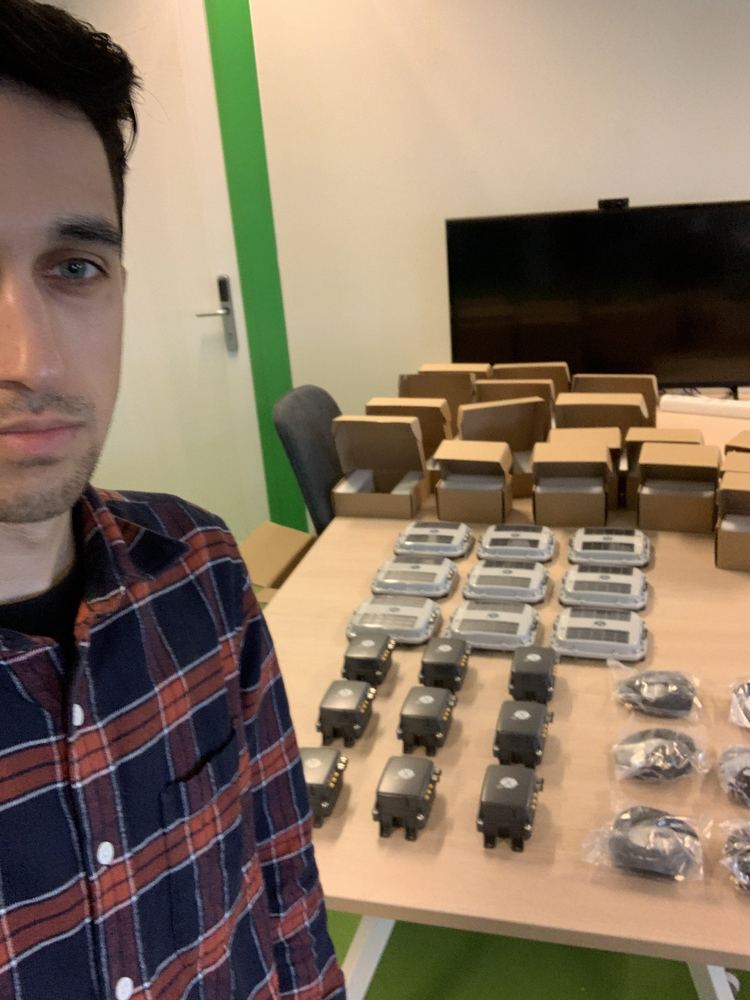
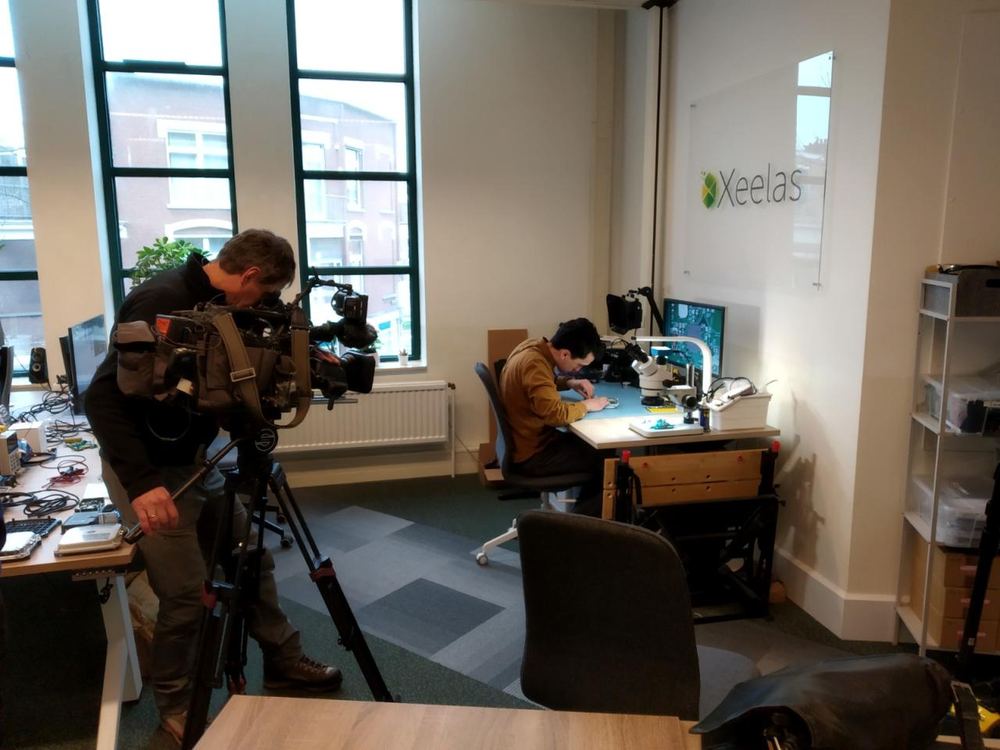
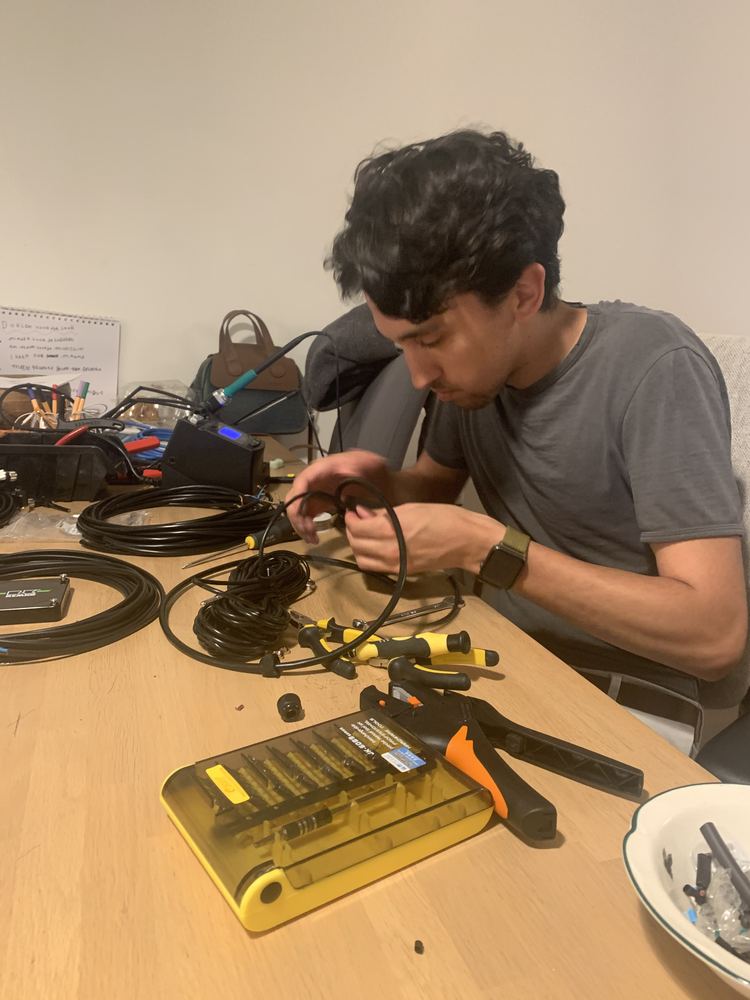
Shenzhen, Dongguan, Hong Kong, the Canton Fair. Supplier floors, expo halls, test benches and the back of a scooter at night. The recurring evidence that I'm hands-on — and that things actually ship.
Questions people ask.
Who is Michaël Devid?
I'm a Dutch hardware founder. For ten years I've been building connected products and taking them from a rough prototype to certified mass production. I founded the IoT studio Insyght, co-founded the padel wearable company PadelPlay, and was part of three companies that were sold or acquired: Xeelas, Jogo (acquired by 433) and Viloc (acquired by Allsetra).
What kind of hardware do you build?
Battery-powered connected devices, mostly in three shapes: sports wearables, GPS and asset trackers, and industrial or environmental sensors. In practice that means electronics and PCB design, embedded firmware on low-power chips like the Nordic nRF52, Bluetooth Low Energy, LoRaWAN and cellular, enclosure and RF work, CE certification, and getting the design onto an actual factory line.
What is Insyght?
The studio I founded in 2024, based in Delft. Eight people doing industrial design, electronics, firmware, app and cloud under one roof, and staying involved to the factory floor. It exists because most connected-hardware projects don't fail on engineering, they fail because the work is split across four vendors and nobody owns the result.
Can I hire you to build a connected product?
Yes, through Insyght, which takes hardware projects from first concept to certified mass production. If you need advice rather than a full build, Devid Creations has been the consulting thread since 2016 for strategy, scale-up and mass production. The fastest way to start is a message on LinkedIn or an email to michael@devidcreations.nl.
Where are you based?
The Netherlands. Insyght works from Delft, and I'm in Shenzhen regularly for production, sourcing and factory work. I work in Dutch and English.
What are you working on now?
Running Insyght and building client hardware in tracking, wearables and industrial IoT, plus our own products: AuraSense and an open-sourced LTE-M/NB-IoT antenna designed with AI tooling. And writing publicly about AI workflows for embedded, which is the part of this job that changed most in the last two years.
Notes from the bench.
I AI-designed an LTE-M antenna in 3 days
openEMS for the electromagnetic sim, Python for the optimization, a desktop GUI to tweak it live, straight export to KiCad. The real unlock wasn't AI replacing the RF engineer — it was AI making the learning curve survivable.
How we built AuraSense
From early sketches and sensor testing to the literal cracks in the process. Putting psychoacoustic metrics on an embedded target and making them run fast enough to be useful in the real world.
Read on LinkedIn →Cutting an Azure bill from €425 to €30
Direct-to-storage streaming, Azure Functions on free tiers, continuous monitoring. A 10x cut with less complexity, not more.
Read on LinkedIn →Vibe-coding my back office
A financial portal that scrapes invoices from suppliers who refuse to email them and matches everything to bank transactions. The barrier to automating the boring parts has never been lower.
Read on LinkedIn →More AI-for-hardware workflows and tips land here as I build.
Building connected hardware? Let's talk.
Whether it's a sensor, a wearable, or a product you need taken from sketch to the factory floor — or you just want to trade notes on hardware and building in public.
michael@devidcreations.nl